Jumat, 07 November 2025

Free wallpapers dog puppy portrait w-dog.org

Introduction: Choosing Your Dog Training Method Before you dive into specific commands, it's crucial to choose a dog training method that aligns with your dog's personality and your own values. Common methods include positive reinforcement (using rewards), negative reinforcement (removing something unpleasant when the dog performs correctly), and punishment-based methods. However, most modern trainers advocate for positive reinforcement as it's the most humane and effective way to build a strong bond with your dog while achieving desired behaviors. This guide will focus on positive reinforcement training.
Step 1: Gathering Your Supplies To start positive reinforcement training, you'll need a few key items:
  • High-value treats: These are small, palatable treats your dog loves. Think bits of cooked chicken, cheese, or commercial dog treats.
  • A clicker (optional): A clicker can be a useful tool for marking the exact moment your dog performs the desired behavior. The sound becomes associated with the reward.
  • A leash and collar or harness: Essential for maintaining control during training sessions, especially outdoors.
  • A quiet training area: Minimize distractions by training in a calm environment, especially when starting out.
  • Step 2: Teaching the "Sit" Command This is a fundamental command and a great starting point.
  • Hold a treat in your hand and position it slightly above your dog's head.
  • Slowly move your hand backward towards their tail. Your dog will likely follow the treat and naturally lower their rear end into a sit position.
  • The instant your dog's rear touches the ground, say "Sit" (or use the clicker) and give them the treat.
  • Repeat this process several times in short training sessions (5-10 minutes) throughout the day.
  • Once your dog is consistently sitting when you lure them, start phasing out the lure and simply say "Sit." Reward them when they comply.
  • Step 3: Teaching "Stay" Command After your dog reliably sits, you can introduce "Stay."
  • Have your dog sit.
  • Say "Stay" in a clear, firm voice.
  • Initially, only expect your dog to stay for a very short period (1-2 seconds).
  • Reward them immediately for staying.
  • Gradually increase the duration of the stay. Start by adding a second or two at a time.
  • If your dog breaks the stay, simply say "No," return them to the sit position, and start again with a shorter duration.
  • Step 4: Teaching the "Come" Command (Recall) A reliable recall is essential for your dog's safety.
  • Start in a quiet area with your dog on a leash.
  • Say your dog's name followed by "Come" in an enthusiastic tone.
  • Gently tug on the leash as you say "Come" to encourage them to move towards you.
  • When your dog reaches you, give them lots of praise and a high-value treat.
  • Gradually increase the distance between you and your dog.
  • Practice off-leash in a safe, enclosed area once your dog is reliable on the leash.
  • Step 5: Generalization and Consistency Once your dog understands the basic commands in a controlled environment, it's time to generalize them to different locations and situations. Practice in the park, on walks, and around distractions. Consistency is key. Use the same commands and reward system every time. Short, frequent training sessions are more effective than long, infrequent ones. Be patient and celebrate small victories. Remember that every dog learns at their own pace.
    Conclusion: Continuing Your Dog's Education Dog training is an ongoing process. Once your dog has mastered the basics, you can explore more advanced commands and tricks. Consider enrolling in a group obedience class or working with a professional dog trainer for personalized guidance. The key is to continue providing your dog with positive reinforcement and mental stimulation throughout their life. This strengthens your bond, keeps them happy and engaged, and ensures they remain a well-behaved member of your family.

    Free Wallpapers Dog Puppy Portrait

    Free wallpapers dog puppy portrait w-dog.org

    Dogs Facts

    Dogs facts www.earthandanimals.com

    Dog Facts

    Dog facts wagbrag.com
    Read More..

    Kamis, 06 November 2025

    56+ Dog Training Kangal

    Free wallpapers dog puppy portrait w-dog.org

    Let's embark on a journey to train your Kangal! These majestic dogs, bred for livestock guarding, require a specific approach to training. Consistency, patience, and understanding their independent nature are key. Remember, a well-trained Kangal is a joy, but an untrained one can be a handful.
    Opening: Establishing a Foundation The initial stages focus on building a strong bond and establishing yourself as the leader.
  • Early Socialization: Expose your Kangal puppy to a variety of sights, sounds, people, and other animals (safely and positively) from a young age. This helps prevent fearfulness and aggression later in life. Puppy classes, visits to parks, and supervised interactions are essential.
  • Basic Obedience: Start with the fundamentals: sit, stay, come, down. Keep training sessions short, positive, and rewarding (treats, praise, toys). Use clear and concise commands.
  • Crate Training: Introduce the crate as a safe and comfortable space. Never use it as punishment. Feed your Kangal in the crate, and gradually increase the time they spend inside with the door closed.
  • Leash Training: Kangals are large and powerful. Get them accustomed to a leash and collar early on. Teach them to walk politely on a leash without pulling.
  • Step-by-Step Training: Reinforcing Good Behavior Now we move into more specific training techniques.
  • Recall Training: A reliable recall is crucial for off-leash safety. Start in a controlled environment (e.g., fenced yard) and use a high-value treat or toy. When your Kangal comes when called, reward them enthusiastically. Gradually increase the distance and distractions.
  • Livestock Guardian Skills (If Applicable): If your Kangal is intended for livestock guarding, introduce them to the livestock gradually and under supervision. Focus on reinforcing calm and protective behavior. Discourage chasing or aggressive behavior. This requires specialized knowledge and possibly the guidance of an experienced livestock guardian dog trainer.
  • Addressing Independence: Kangals are naturally independent thinkers. Instead of forcing obedience, focus on building a relationship based on trust and respect. Make training fun and engaging to motivate them to cooperate.
  • Dealing with Resource Guarding: Some Kangals may exhibit resource guarding (protecting food, toys, or space). Address this early and proactively. Consult with a certified professional dog trainer or behaviorist experienced with guarding breeds to develop a safe and effective management plan.
  • Conclusion: Ongoing Management and Consistency Training a Kangal is an ongoing process.
  • Consistency is Key: Everyone in the household must be consistent with commands and rules. Inconsistency can confuse your Kangal and undermine your training efforts.
  • Continued Socialization: Continue to expose your Kangal to new experiences throughout their life. This helps prevent fearfulness and keeps them mentally stimulated.
  • Positive Reinforcement: Focus on rewarding good behavior rather than punishing bad behavior. Punishment can damage your relationship with your Kangal and lead to fear or aggression.
  • Seeking Professional Help: Don't hesitate to seek help from a certified professional dog trainer or behaviorist if you encounter challenges. They can provide personalized guidance and support. Particularly if your dog displays aggression or resource guarding.
  • Free Wallpapers Dog Puppy Portrait

    Free wallpapers dog puppy portrait w-dog.org

    Jack Russell Terriers

    Jack russell terriers spotpet.com

    Cute Dog Wallpapers

    Cute dog wallpapers wallpaperaccess.com
    Read More..

    Rabu, 05 November 2025

    182+ Dog Training Quad Cities

    Free wallpapers dog puppy portrait w-dog.org

    Introduction: Embarking on Your Dog Training Journey Training your dog can be a rewarding experience, strengthening the bond between you while equipping your furry friend with essential skills. This guide provides a step-by-step approach to effectively train your dog, covering foundational aspects to help your dog become a well-behaved companion.
    Step 1: Building a Foundation: Positive Reinforcement and Basic Commands Start by establishing a positive training environment. Positive reinforcement, such as treats, praise, or toys, is crucial for motivating your dog. Begin with basic commands like "sit," "stay," and "come." Keep training sessions short (5-10 minutes) and frequent, focusing on repetition and clear, concise cues. Use high-value treats to reward successful execution of commands.
    Step 2: Mastering Leash Manners: Walking with Confidence Leash training is fundamental for safe and enjoyable walks. Begin by acclimating your dog to the leash and collar indoors. Then, practice walking on a loose leash in a low-distraction environment. Reward your dog for walking calmly beside you. If your dog pulls, stop walking and wait for them to return to your side before continuing. Gradually introduce more challenging environments with increasing distractions.
    Step 3: Socialization: Exposing Your Dog to the World Socialization is essential for developing a well-adjusted dog. Expose your dog to a variety of sights, sounds, people, and other animals in a controlled and positive manner. Start with brief, supervised interactions and gradually increase the duration and complexity of the encounters. Ensure your dog has positive experiences during socialization to prevent fear or aggression.
    Step 4: Addressing Common Behavioral Issues: Problem Solving Address any behavioral issues promptly and consistently. Common issues include excessive barking, chewing, digging, and separation anxiety. Identify the root cause of the behavior and implement appropriate training techniques. For example, provide your dog with plenty of chew toys to redirect chewing behavior. Consider seeking professional help from a certified dog trainer or behaviorist if you encounter challenges.
    Step 5: Advanced Training and Enrichment: Expanding Horizons Once your dog has mastered the basics, consider advancing their training with more complex commands or activities like agility or trick training. Provide mental enrichment through puzzle toys, interactive games, and stimulating activities to keep your dog engaged and prevent boredom. Continue to reinforce positive behaviors and maintain a consistent training routine.
    Conclusion: A Lifelong Journey Dog training is an ongoing process. Consistency, patience, and positive reinforcement are key to success. Continue to reinforce learned behaviors, address any emerging issues promptly, and provide your dog with a loving and supportive environment. Enjoy the journey of building a strong and lasting bond with your well-trained companion.

    Young Dog Puppy Funny · Free Photo On Pixabay

    Young dog puppy funny · free photo on pixabay pixabay.com

    Free Wallpapers Dog Puppy Portrait

    Free wallpapers dog puppy portrait w-dog.org

    1,000+ Free Labrador & Dog Images

    1,000+ free labrador & dog images pixabay.com
    Read More..

    Selasa, 04 November 2025

    184+ Dog Training Nyc

    Free wallpapers dog puppy portrait w-dog.org

    Introduction: Selecting Your Training Method Before diving into any training regimen, it's crucial to understand the different approaches and choose one that aligns with your dog's personality, breed, and your own lifestyle. Common methods include positive reinforcement (reward-based), negative reinforcement (removal of something unpleasant), and balanced training (incorporating both). For most dogs, positive reinforcement is the most effective and humane. This guide focuses on positive reinforcement techniques.
    Step 1: Gathering Your Supplies Success starts with having the right tools. You'll need:
  • High-value treats: Small, soft treats your dog loves. Variety is key!
  • A clicker (optional): This helps mark the exact moment your dog performs the desired behavior.
  • A leash: Standard 4-6 foot leash, not a retractable one.
  • A collar or harness: Well-fitting and comfortable for your dog.
  • A quiet training space: Free from distractions, both indoors and outdoors.
  • Step 2: Foundation Commands: Sit, Stay, Come These are the building blocks of dog training. Sit: Hold a treat in front of your dog's nose and slowly move it upwards and slightly back over their head. As they follow the treat, their rear should naturally lower into a sit. As soon as their rear touches the ground, say "Sit" and immediately give them the treat and praise. Repeat this several times. If your dog doesn't sit, gently guide their rear down while saying "Sit". Stay: Have your dog sit. Hold your hand up in a "stop" gesture and say "Stay". Start with very short durations (1-2 seconds). If your dog stays, reward them with a treat and praise. Gradually increase the duration of the stay. If your dog breaks the stay, say "Oops" and start again from the beginning. Come: Use a cheerful tone and say "Come!" while gently tugging on the leash (if needed). When your dog comes to you, reward them with enthusiastic praise and a treat. Make coming to you a positive and rewarding experience.
    Step 3: Leash Manners: Loose Leash Walking Walking nicely on a leash is a vital skill. Start in a low-distraction environment. Hold the leash with a loose "U" shape. Whenever your dog pulls, immediately stop walking. Wait for your dog to stop pulling and the leash to loosen, then continue walking. Reward your dog with a treat when they walk nicely beside you. Gradually introduce distractions as your dog improves. Consistency is key.
    Step 4: Addressing Problem Behaviors: Chewing, Barking Identify the root cause of the behavior. Chewing: Provide plenty of appropriate chew toys. If you catch your dog chewing on something they shouldn't, say "No" firmly and redirect them to a chew toy. Praise and reward them when they chew on the correct item. Barking: Determine why your dog is barking (boredom, fear, excitement). For boredom barking, provide more exercise and mental stimulation. For fear or anxiety-related barking, consult with a professional trainer or behaviorist. For excitement barking, teach a "quiet" command. Say "Quiet" when your dog is barking. If they stop, even briefly, reward them with a treat and praise.
    Step 5: Generalization and Proofing Once your dog performs commands reliably in a controlled environment, it's time to generalize. Practice commands in different locations (park, street, friend's house). Introduce distractions gradually. Proofing involves reinforcing commands under increasing levels of distraction. This ensures your dog obeys even when faced with temptations.
    Conclusion: Consistency and Patience Dog training is an ongoing process. Be patient, consistent, and positive. Celebrate small successes and remember that every dog learns at their own pace. If you encounter significant challenges, consider consulting with a certified professional dog trainer or behaviorist. They can provide personalized guidance and address specific behavioral issues. Consistent training, love, and positive reinforcement will strengthen the bond between you and your furry companion.

    Dogs Wallpaper

    Dogs wallpaper eskipaper.com

    Dog Wallpapers Images Photos Pictures Backgrounds

    Dog wallpapers images photos pictures backgrounds wallsdesk.com

    Free Wallpapers Dog Puppy Portrait

    Free wallpapers dog puppy portrait w-dog.org
    Read More..

    Senin, 03 November 2025

    117+ Dog Potty Training Timeline

    Free wallpapers dog puppy portrait w-dog.org

    Introduction to Puppy Potty Training Potty training a puppy requires patience, consistency, and positive reinforcement. This guide will provide a step-by-step approach to help you successfully housebreak your furry friend. Remember, accidents are part of the process, and staying positive will make it a more enjoyable experience for both you and your puppy.
    Setting Up for Success: Creating a Routine and Safe Space Establish a consistent routine from day one. This includes scheduled feeding times, playtime, and potty breaks. Designate a specific area in your yard as the "potty spot." Use a crate or confined area in the house when you can't directly supervise your puppy. This helps them develop bladder control.
    Step 1: Frequent Potty Breaks
  • When to take your puppy out: Immediately after waking up, after playing, after eating or drinking, and before bedtime.
  • Frequency: Puppies generally need to go out every 2-3 hours, especially in the early stages.
  • Nighttime: Expect to take your puppy out at least once or twice during the night, particularly for younger puppies.
  • Step 2: The Potty Cue and Positive Reinforcement When you take your puppy to the designated potty spot, use a specific phrase like "Go potty" or "Do your business." Wait patiently and quietly. As soon as your puppy eliminates, praise enthusiastically (e.g., "Good potty!") and offer a small, tasty treat immediately. Timing is crucial!
    Step 3: Cleaning Up Accidents Accidents will happen. When you find an accident indoors, clean it up thoroughly with an enzymatic cleaner to eliminate the odor, which can attract your puppy back to the same spot. Never punish your puppy for accidents. It can create fear and anxiety, making potty training more difficult. Interrupt them mid-accident with a firm "Uh-oh!" and immediately take them outside to their designated potty spot.
    Step 4: Supervision and Confinement Closely supervise your puppy when they are not in their crate or confined area. Watch for signs they need to go out, such as circling, sniffing, squatting, or whining. If you can't supervise, confine your puppy to their crate or a puppy-proofed area.
    Step 5: Gradually Increasing Independence As your puppy becomes more reliable with potty training, gradually increase their freedom in the house. Continue to take them out regularly and reward them for eliminating in the correct spot.
    Step 6: Addressing Setbacks If your puppy has frequent accidents, reassess your routine and make adjustments as needed. Rule out any medical issues by consulting with your veterinarian. Consider enrolling in a puppy training class for additional guidance and support.
    Conclusion: Patience and Persistence are Key Potty training takes time and consistency. Be patient with your puppy, celebrate their successes, and stay positive throughout the process. With dedication and the right approach, you'll have a reliably house-trained dog.

    Dogs Wallpaper

    Dogs wallpaper eskipaper.com

    Dogs Facts By World Animal Foundation

    Dogs facts by world animal foundation www.worldanimalfoundation.org

    Free Wallpapers Dog Puppy Portrait

    Free wallpapers dog puppy portrait w-dog.org
    Read More..

    Minggu, 02 November 2025

    73+ Dog Training Collar Electric Shock

    Adorable bernese mountain dog puppy photo nl.pinterest.com

    Introduction to Electric Shock Collar Training Electric shock collars, also known as e-collars, are training tools that deliver a mild electrical stimulation to a dog. While controversial, some trainers use them for specific purposes like off-leash recall, stopping unwanted behaviors at a distance, and reinforcing known commands. It's crucial to emphasize that responsible and ethical use is paramount; these tools should never be used for punishment or out of anger. The following guide outlines a gradual and positive reinforcement-based approach to e-collar training. This method focuses on associating the collar with already learned behaviors and using the lowest effective stimulation level. Always consult with a certified professional dog trainer experienced with e-collar training before beginning. They can assess your dog's temperament and provide personalized guidance.
    Step 1: Acclimation to the Collar Begin by simply introducing the collar to your dog. Let them sniff it, and then put it on them for short periods, gradually increasing the duration. The collar should fit snugly, with the contact points touching the skin. Ensure there is no tightness that could cause discomfort. During this acclimation phase, offer treats, praise, and positive experiences to create a positive association with the collar itself. Do not use the stimulation function at this stage. This process may take several days, or even a week or two, depending on the dog's comfort level.
    Step 2: Finding the Working Level The "working level" is the lowest stimulation level your dog can feel. To find it, start at the lowest setting on the collar and gradually increase it one level at a time. Observe your dog carefully for any subtle signs of awareness, such as a head turn, ear twitch, or a change in expression. The goal is not to cause a significant reaction, but simply to find the level where your dog acknowledges the stimulation. Mark this level; it's your starting point for training. It's extremely important to find the lowest level at which your dog acknowledges the sensation.
    Step 3: Association with Known Commands Now, pair the e-collar stimulation with commands your dog already understands well, such as "sit," "stay," or "come." Issue the command, and if your dog doesn't immediately comply, deliver a brief stimulation at the working level while repeating the command. As soon as your dog performs the action, immediately stop the stimulation and offer enthusiastic praise and a reward. The goal is to help your dog understand that the stimulation is a reminder to perform the command they already know. For instance, if your dog knows "sit," say "sit." If they don't sit within a second, give a quick tap of the stimulation button at their working level, while repeating the command "sit." The instant they sit, release the button and praise enthusiastically.
    Step 4: Reinforcement and Generalization Once your dog consistently responds to the stimulation paired with familiar commands in a controlled environment, start practicing in more distracting locations. Gradually increase the distance between you and your dog as well. Use the e-collar sparingly, only as a gentle reminder when needed. Continue to reward desired behaviors with praise and treats. The goal is to fade out the use of the collar over time, relying primarily on verbal commands and positive reinforcement. Remember that the collar should be a tool to enhance communication, not to replace it.
    Step 5: Off-Leash Recall (Advanced) If you're using the e-collar for off-leash recall, start in a safe, enclosed area. Issue the "come" command. If your dog hesitates, give a brief stimulation at the working level while repeating the command. As soon as your dog starts to come towards you, release the stimulation and offer enthusiastic praise and a high-value reward upon arrival. Gradually increase the distance and distractions over time. Remember that consistent training and positive reinforcement are essential for reliable recall.
    Important Considerations and Safety Precautions Always prioritize positive reinforcement. E-collars should be used as a supplement to, not a replacement for, positive training methods. Never use the collar out of anger or frustration. Keep training sessions short and positive. Monitor your dog closely for any signs of stress or discomfort. Never leave the collar on your dog unattended for extended periods. Regularly check the collar fit and contact points to prevent skin irritation. If you notice any redness or sores, discontinue use and consult a veterinarian. Never use an e-collar on puppies under six months of age or on dogs with underlying medical conditions. It is not appropriate for fearful or aggressive dogs. Consult a professional trainer for these cases.
    Conclusion E-collar training can be a useful tool when implemented correctly, ethically, and in conjunction with positive reinforcement methods. However, it's not a substitute for proper training and socialization. Always prioritize your dog's well-being and consult with a qualified professional trainer before using an e-collar. By following a gradual and positive approach, you can help your dog understand and respond to your commands with confidence and reliability.

    Adorable Bernese Mountain Dog Puppy Photo

    Adorable bernese mountain dog puppy photo nl.pinterest.com

    Golden Mountain Dog

    Golden mountain dog ar.inspiredpencil.com

    How Much Is A Swiss Mountain Dog

    How much is a swiss mountain dog animalia-life.club
    Read More..

    Sabtu, 01 November 2025

    Amazon.com: leapfrog clickstart educational software: scout's puppy pals www.amazon.com

    Introduction to Crate Training Your Dog Crate training is a valuable method for providing your dog with a safe and secure space, aiding in housetraining, preventing destructive behaviors, and making travel easier. It's important to approach crate training positively and patiently. This guide provides a step-by-step approach to help your dog learn to love their crate.
    Choosing the Right Crate The crate should be large enough for your dog to stand up, turn around, and lie down comfortably. However, it shouldn't be too large, as this can hinder housetraining (dogs are less likely to eliminate where they sleep). For puppies, consider a crate with a divider to adjust the space as they grow. Select a durable crate made of wire, plastic, or a soft-sided material depending on your dog's temperament and your needs.
    Introducing the Crate
  • Step 1: Make it Positive: Place the crate in a high-traffic area of your home where your family spends time. This helps your dog feel included.
  • Step 2: Add Comfort: Line the crate with a soft, comfortable blanket or bed. This will make it a more inviting space.
  • Step 3: Entice with Treats: Toss treats and toys inside the crate to encourage your dog to enter. Don't force them in; let them explore at their own pace.
  • Step 4: Feeding Time: Start feeding your dog their meals inside the crate. If they are hesitant, place the bowl just inside the entrance at first, gradually moving it further inside over several days.
  • Gradually Increasing Crate Time
  • Step 1: Short Stays: Once your dog is comfortable entering the crate, encourage them to stay inside for short periods. Start with a few seconds, then gradually increase the time to a few minutes.
  • Step 2: Use Positive Reinforcement: While your dog is in the crate, offer praise, treats, and toys. This reinforces positive associations with the crate.
  • Step 3: Build Up Duration: Gradually increase the duration of the crate stays. Start with 10 minutes, then 20 minutes, and so on. Work up to being able to leave the room for short periods while your dog is crated.
  • Step 4: Stay Calm When Letting Out: Release your dog from the crate calmly and quietly. Avoid excessive excitement, as this can make them anxious to get out next time.
  • Addressing Crate Anxiety Some dogs may experience anxiety or fear when confined to a crate. If your dog is whining, barking, or showing signs of distress, it's important to address the underlying cause. Make sure you are not rushing the process. Shorten crate times, provide plenty of exercise and mental stimulation, and consult with a veterinarian or certified dog trainer if the problem persists. Avoid using the crate as punishment, as this will create negative associations.
    Housetraining with a Crate Crate training can be a helpful tool for housetraining. Dogs naturally avoid soiling their sleeping area. Take your dog outside immediately after they come out of the crate, especially after waking up, eating, or playing. Reward them with praise and a treat when they eliminate outside. If your dog eliminates in the crate, clean it thoroughly to remove any odors.
    Conclusion Crate training requires patience and consistency. By following these steps and using positive reinforcement, you can help your dog learn to love their crate and reap the benefits of a well-trained and secure companion. Remember to always supervise your dog when they are in the crate and never leave them crated for excessive periods.

    Amazon.com: Leapfrog Clickstart Educational Software: Scout's Puppy Pals

    Amazon.com: leapfrog clickstart educational software: scout's puppy pals www.amazon.com

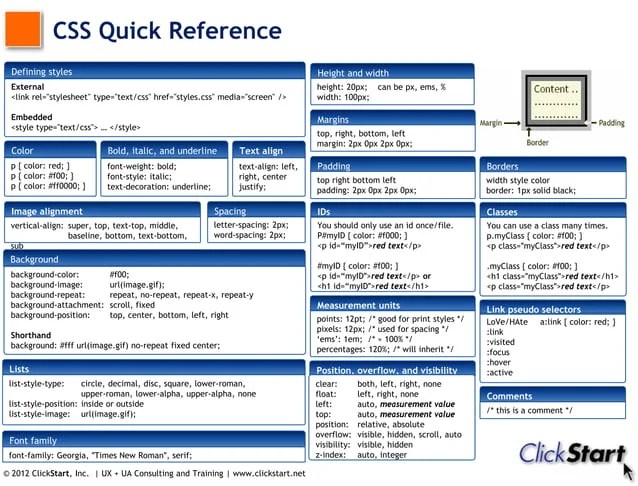
    Css Quick Reference / Cheat Sheet

    Css quick reference / cheat sheet www.slideshare.net

    Leapfrog Clickstart My First Computer Manual

    Leapfrog clickstart my first computer manual www.manualslib.com
    Read More..